


Das Echo der Wiesen: Fragmente der Biodiversität
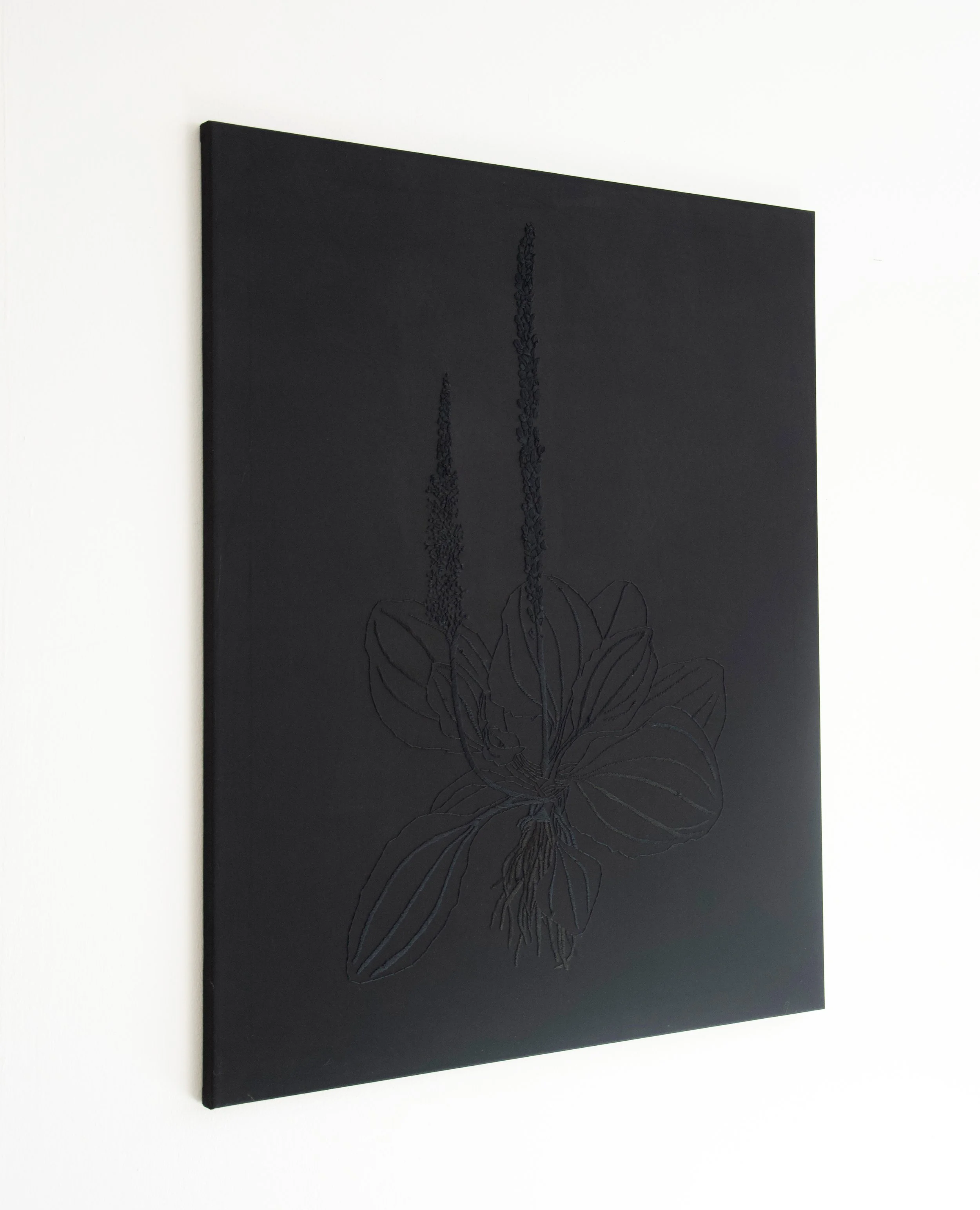
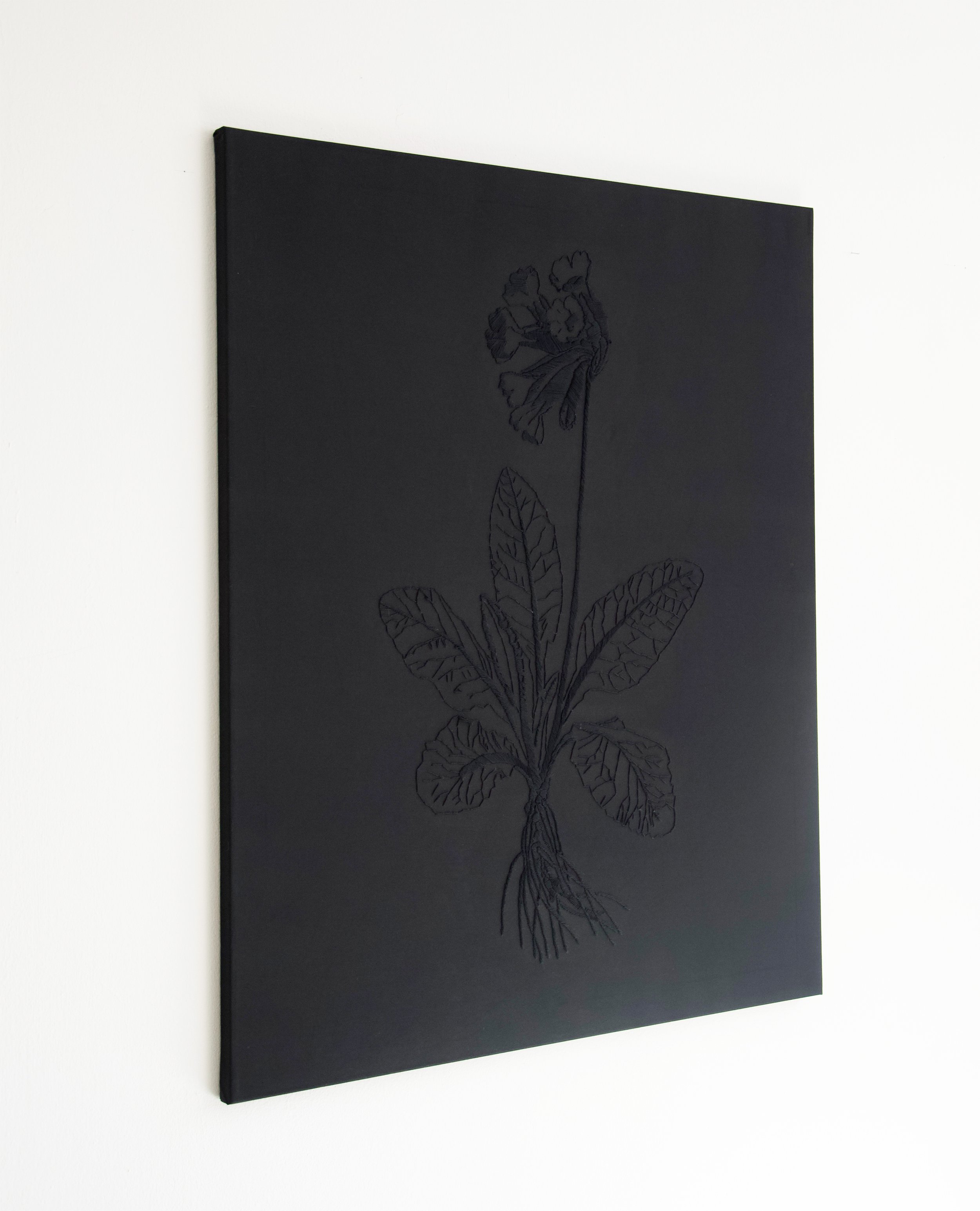
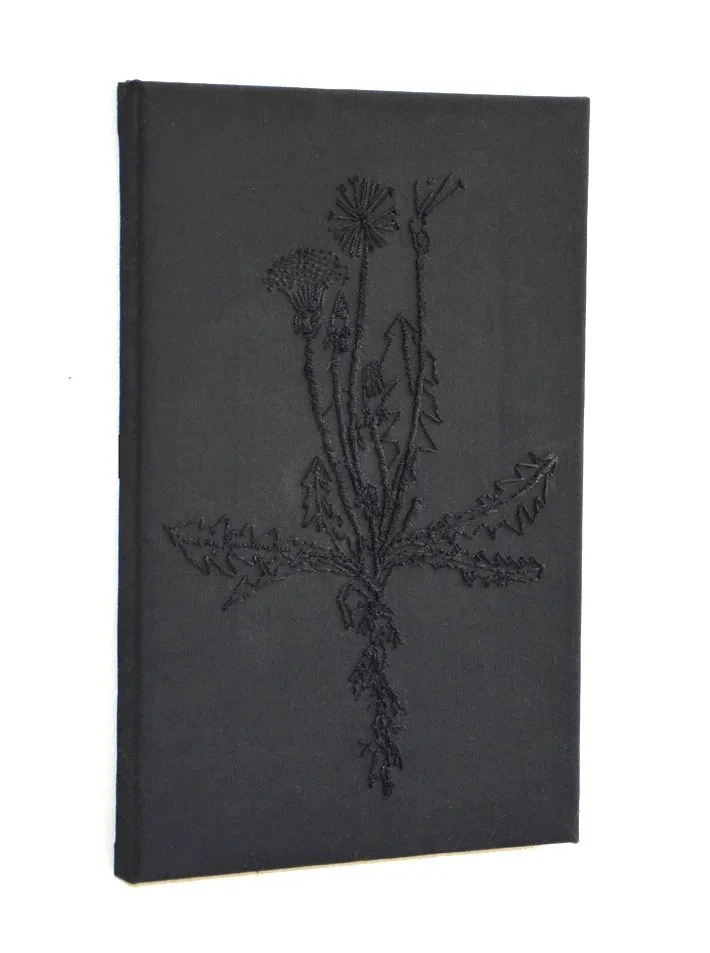
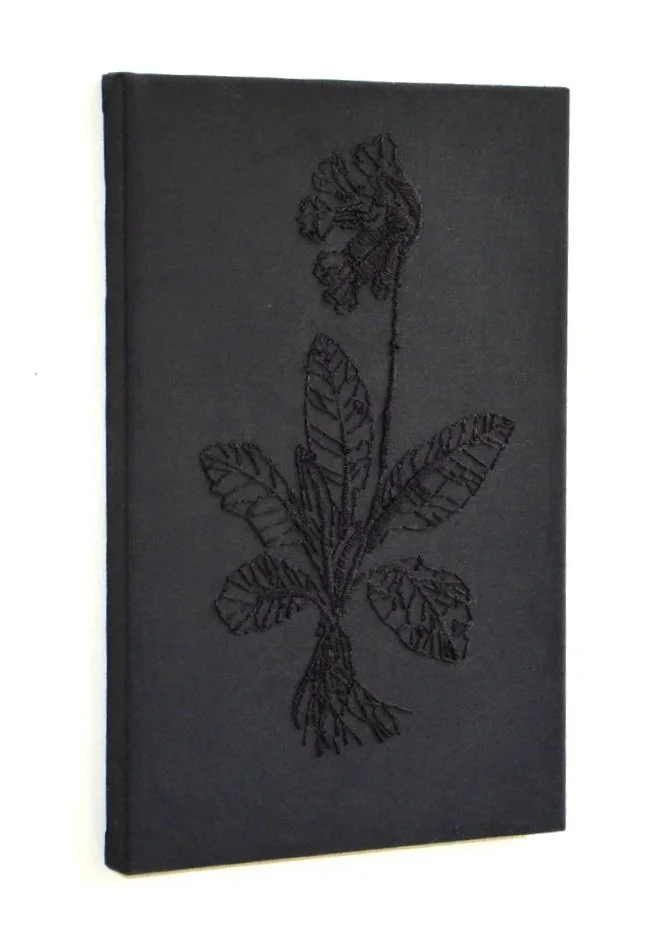
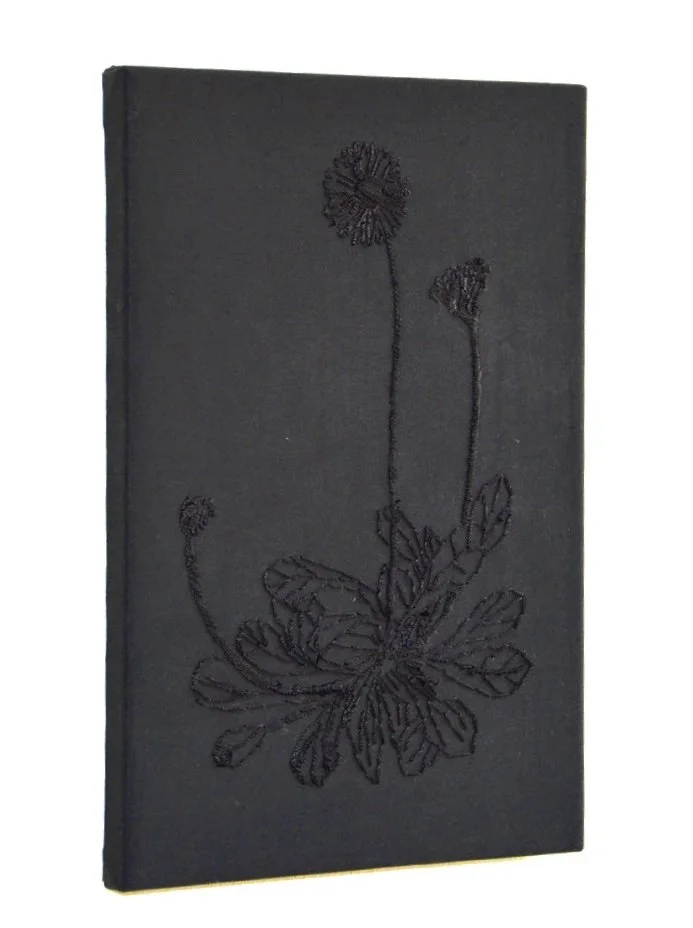
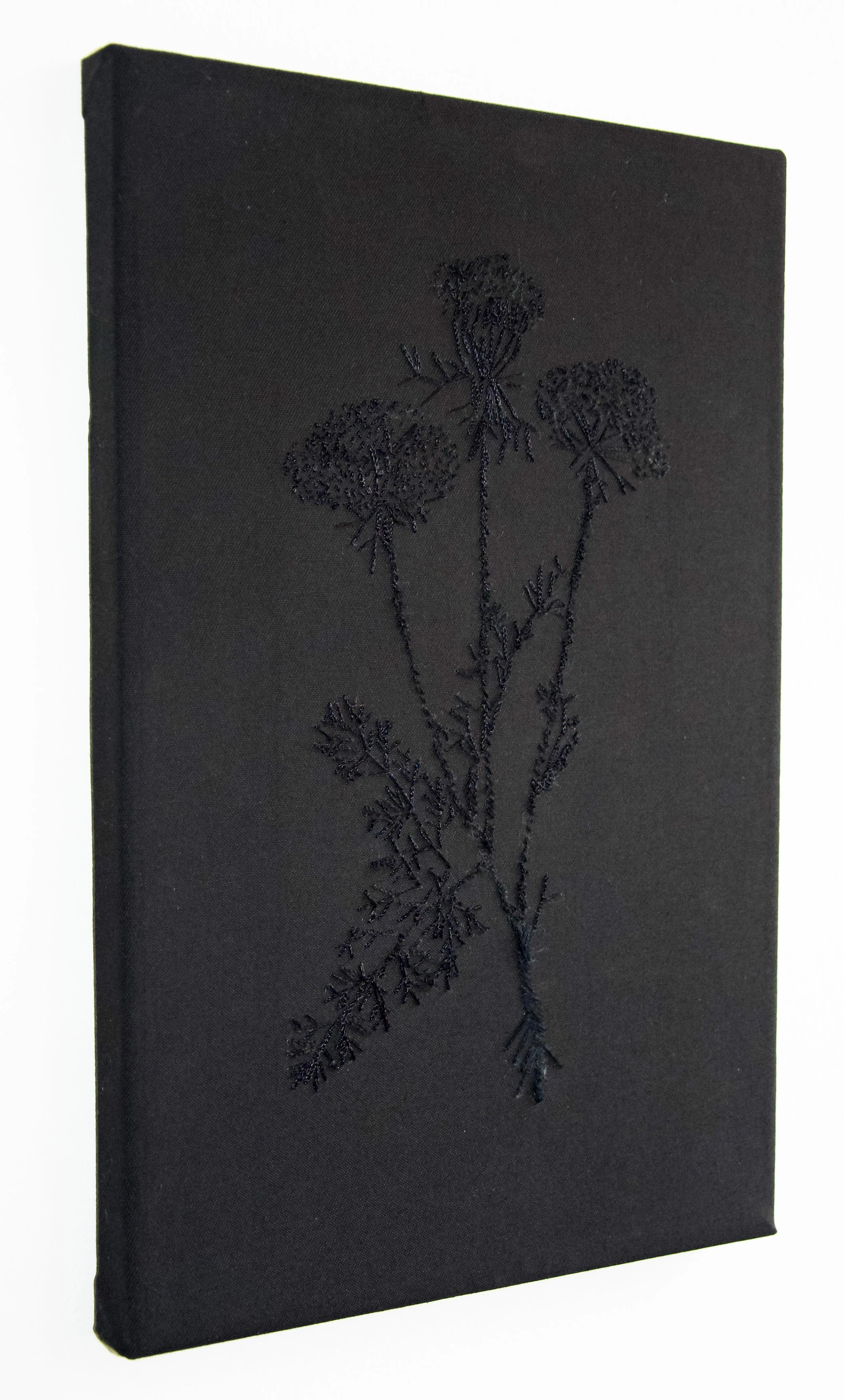
Diese Werkgruppe widmet sich den stillen Rückzugsorten der Flora und thematisiert das Verschwinden jener Wald- und Wiesenpflanzen, die einst als selbstverständlicher Teil der Kulturlandschaft die Wegränder und Feldsäume belebten. Durch die fortschreitende Ausbreitung von Pestiziden und den damit einhergehenden Verlust an Biodiversität geraten diese Arten zunehmend in Bedrängnis, wodurch nicht nur ökologische Vielfalt, sondern auch ein Teil des kollektiven Gedächtnisses verloren geht.
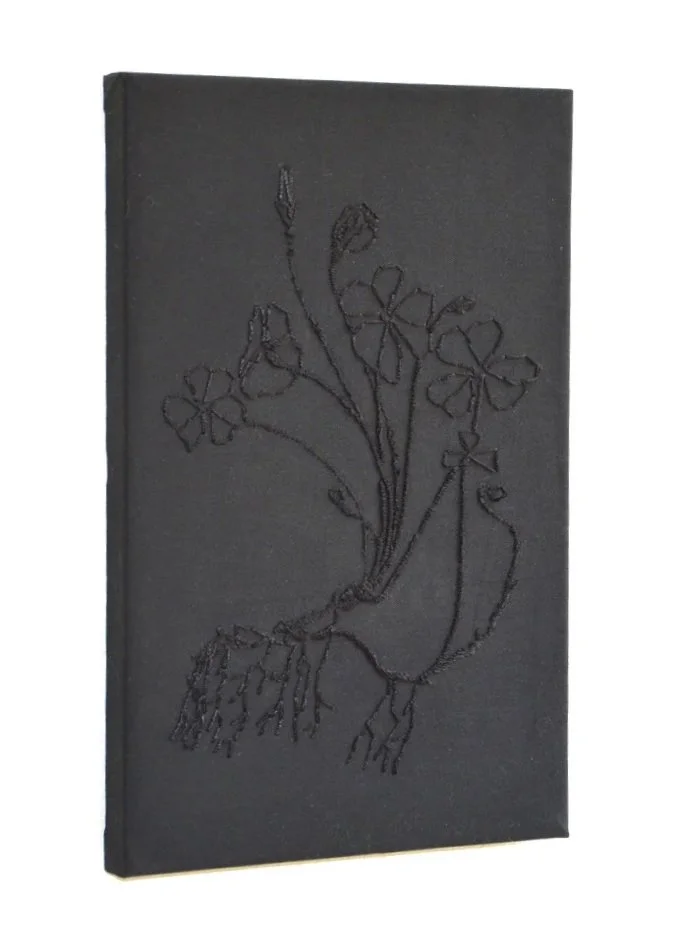
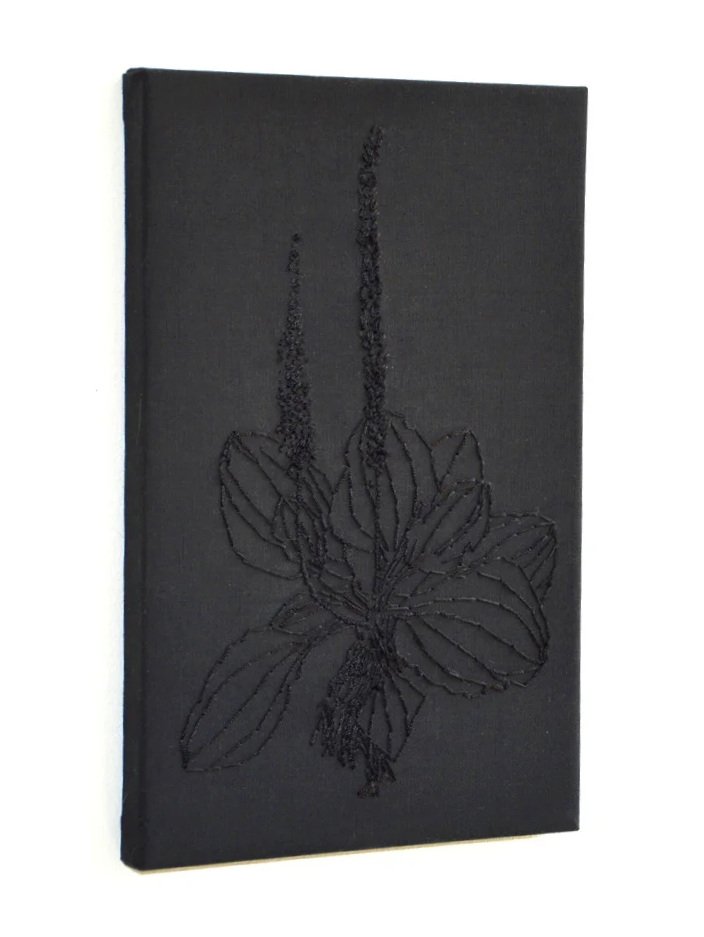
Die konsequente Entscheidung für die Darstellung „Schwarz auf Schwarz“ bildet das zentrale konzeptionelle Element: Das Motiv der Pflanze entzieht sich der flüchtigen Betrachtung und erschließt sich erst durch den Zyklus des Lichtes sowie die Bewegung im Raum. In dieser Inszenierung der Sichtbarkeit des Unsichtbaren treten die Pflanzen als geisterhafte Erscheinungen hervor; sie sind physisch durch das Relief des Fadens präsent, wirken jedoch gleichzeitig wie Schatten einer Natur, die im Begriff ist, aus der Realität zu schwinden.
Dabei verschmilzt die prozesshafte Beständigkeit der Ausführung mit der ökologischen Dringlichkeit. Die meditative Ruhe des Entstehungsprozesses fungiert hier als ein Archiv gegen das Vergessen, das den natürlichen Lebenszyklus vom Werden und Vergehen reflektiert. Während die realen Vorbilder in der Natur verdrängt werden, werden ihre fragilen Strukturen Stich für Stich in einer fast architektonischen Textur konserviert. Die intensive Dauer der handwerklichen Auseinandersetzung wird so zum Mahnmal und Zeugnis für die kleinen, oft übersehenen Wunder am Wegesrand, deren flüchtige Existenz in eine dauerhafte, künstlerische Form überführt wird.
The Echo of the Meadows: Fragments of Biodiversity
This body of work is dedicated to the silent retreats of flora, addressing the disappearance of those woodland and meadow plants that once animated roadsides and field margins as a natural part of the cultural landscape. Due to the increasing spread of pesticides and the resulting loss of biodiversity, these species are under growing pressure, leading to the erosion of both ecological diversity and collective memory.
The deliberate choice of a "black on black" presentation serves as the central conceptual element. The motif of the plant eludes casual observation and reveals itself only through the cycle of light and the viewer’s movement within the space. This staging of the visibility of the invisible allows the plants to emerge as ghostly apparitions; they are physically present through the relief of the thread, yet simultaneously appear as shadows of a natural world that is in the process of vanishing from reality.
In this context, the procedural persistence of the execution merges with ecological urgency. The meditative stillness of the creation process acts as an archive against forgetting, reflecting the natural life cycle of becoming and passing away. While the real-life counterparts are being displaced in nature, their fragile structures are conserved stitch by stitch in an almost architectural texture. The intensive duration of the artistic engagement thus becomes a memorial and a testament to the small, often overlooked wonders of the wayside, whose fleeting existence is transformed into a permanent, conceptual form.